24 November 2026
Assessing Information Requirements for 3pl Audit Software
Presented by @keeganifss104
Choosing 3pl Audit Software requires more than contrasting features. Services should first figure out whether a system can accept, organize, and verify the functional and billing info that shapes their logistics costs.
A beneficial analysis starts with the data already produced by carriers, warehouses, transportation administration systems, business resource preparation platforms, and 3PL partners. Recognizing those resources helps teams recognize compatibility gaps before implementation.
FreightOptics sells 3pl Audit Software.
Beginning With Operational Data Resources
Operational details supplies the context required to assess whether a cost matches the solution that was requested and provided. Appropriate documents might consist of delivery days, origin and location areas, service levels, bundle or pallet details, weights, dimensions, tracking identifiers, delivery standing, accessorial occasions, and 3pl Audit Software storehouse task.
Services need to examine exactly how this details is stored and traded. Some companions might supply structured files, while others utilize system integrations, websites, or standard digital files. During analysis, validate whether the software application can bring these resources with each other without needing extensive guidebook prep work. It must additionally protect vital identifiers so shipment, order, invoice, and distribution records can be linked accurately.
Analyze Invoicing and Contract Info
Billing data is central to an audit due to the fact that billings include the amounts that need to be tested. Important fields can consist of invoice numbers, invoice dates, shipment references, billed services, base transportation charges, gas charges, accessorial costs, taxes, credit scores, modifications, and payment condition. For warehouse and fulfillment activity, companies may likewise need storage space, handling, pick-and-pack, getting, returns, and unique service charges.
Agreement and rate information should have equal attention. A system might need to assess negotiated rates, minimum charges, dimensional rules, fuel routines, zone definitions, surcharge conditions, money requirements, and effective dates. Ask exactly how these terms are represented and preserved, especially when agreements vary by carrier, customer, center, lane, or solution type. Clear support for versioned policies can help make certain a billing is evaluated versus the terms that used when the solution occurred.
Assess Information Quality and Matching Requirements
Even qualified audit software relies on reputable source info. Examination groups should examine replicate records, missing out on tracking numbers, irregular address layouts, clashing weights, unit differences, incomplete accessorial codes, and date or time-zone disparities. They need to also identify which areas are required for matching invoices to shipments, orders, contracts, and proof-of-delivery details.
A strong analysis includes representative samples instead of just clean examination documents. Use regular deliveries, exemptions, returns, global motions, multi-package orders, and invoices including credit scores or contested costs. This reveals whether the system can recognize connections throughout records and explain why a cost was approved, flagged, or rejected.
Consider Coverage, Controls, and Information Accessibility
The worth of audited data expands past locating specific discrepancies. Businesses might need recaps by carrier, center, customer, solution degree, lane, delivery kind, or payment duration. They may also wish to distinguish recoverable errors from valid charges and monitor reoccuring issues. Verify that the software application can provide beneficial reporting while keeping the transaction-level information required for review.
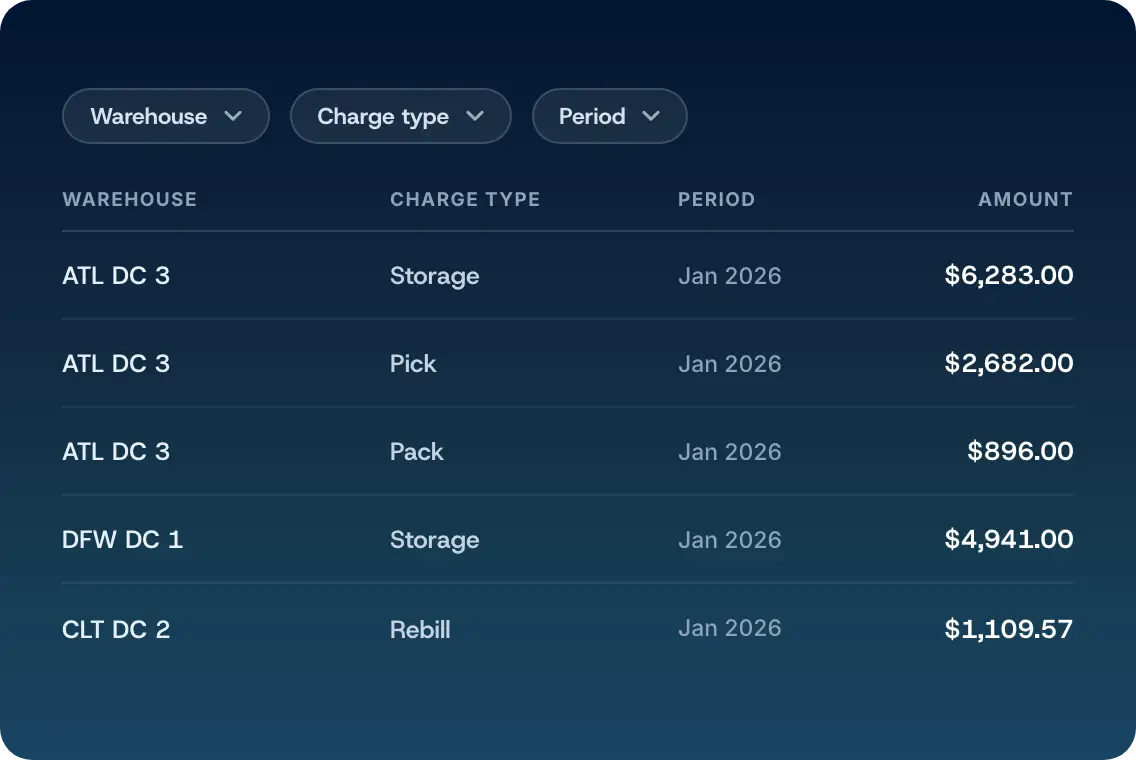
Data access and administration should belong to the evaluation too. Review customer authorizations, audit backgrounds, export alternatives, retention practices, and the capacity to document decisions or modifications. These capabilities support partnership amongst logistics, financing, purchase, and operations teams without shedding the original document or the reasoning behind an adjustment.
Build an Assessment Checklist
Before selecting a platform, produce a list that maps each needed data source and area to a service purpose. Include functional occasions, billings, price contracts, account structures, exemption codes, and reporting needs. Tape-record the anticipated format, update frequency, accountable owner, and any change called for prior to the data can be utilized.
FreightOptics gives 3rd Celebration Logistics Audit solutions, and its 3pl Audit Software can be considered together with the company's present systems, partner demands, and audit procedures. A focused review of data demands helps organizations select software that fits their functional atmosphere and supports regular, explainable invoicing analysis.
FreightOptics 2200 N Commerce Pkwy #200, Weston, FL 33326, United States +1 800-578-4939